
Science-Backed Wellness
Blogs Details
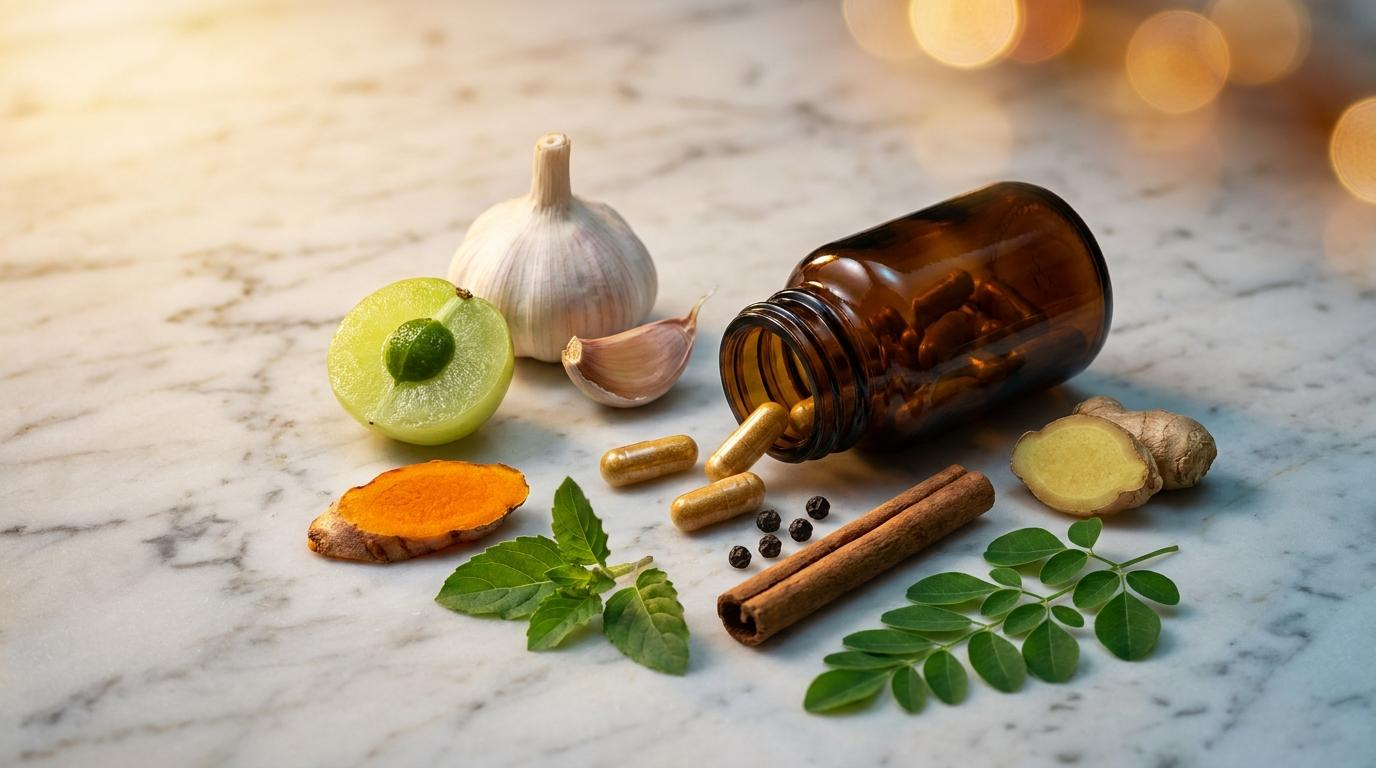
Why You Keep Falling Sick - 8 Signs Your Immunity Is Weaker Than You Think
You recovered from a cold three weeks ago. Now you feel a sore throat coming on again. You've been tired in a way that sleep doesn't fix. Your skin has been dull, your digestion sluggish, and even minor cuts seem to take longer to heal than they used to.
You're not imagining it. And it's not just bad luck.
For millions of urban Indians, a cycle of recurring illness, low energy, and slow recovery has become so normalised that it no longer registers as a problem. It should.
Your immune system is not just the mechanism that fights colds. It is the foundational defence layer of your entire biology - protecting you from infections, managing inflammation, clearing damaged cells, and maintaining the internal equilibrium that allows every other system in your body to function. When it's compromised, everything else gradually deteriorates too.
The good news: immunity is not fixed. It is dynamic, responsive, and - with the right nutritional foundation - highly improvable. Here's how to read the signals your body is already sending, and what the science says about building genuine, lasting immune resilience.
What the Immune System Actually Does
Most people think of immunity as a single shield - present or absent, strong or weak. In reality, your immune system is a multi-layered network of organs, cells, proteins, and signalling pathways working in continuous coordination.
The innate immune system is your first line of defence - a rapid, non-specific response that activates within minutes of detecting an invader. Skin and mucous membranes form its physical barriers; white blood cells, natural killer cells, and inflammatory responses do the cellular work.
The adaptive immune system is slower but more precise. It identifies specific pathogens, produces targeted antibodies, and - critically - remembers them for faster response in future encounters. This is the system vaccines leverage.
Between the two, your body conducts thousands of micro-battles every single day against bacteria, viruses, pollutants, and abnormal cells - most of which you never consciously notice. The only time you feel sick is when the innate system is overwhelmed before the adaptive system can respond fully.
A compromised immune system doesn't just mean you catch more colds. It means more of those daily micro-battles are being lost silently.
8 Signs Your Immune System Is Underperforming
1. You Get Sick More Than Twice a Year
The average healthy adult catches 2–3 colds per year. If you're experiencing 4 or more upper respiratory infections annually, or if you catch illness at every seasonal change, your immune system is not keeping up with baseline exposure.
2. Your Recovery Takes Unusually Long
A healthy immune response resolves a standard cold in 7–10 days. If your symptoms drag on for two weeks or more, if a mild infection turns into sinusitis, bronchitis, or something requiring antibiotics - your adaptive immune response is delayed or underpowered.
3. You're Chronically Fatigued
Unexplained, persistent fatigue - the kind that doesn't improve with rest - is one of the most common and most overlooked signs of immune system strain. Fighting chronic low-grade infections and managing systemic inflammation consumes enormous metabolic energy. When this is happening continuously in the background, your available energy for daily life diminishes noticeably.
4. Your Wounds Heal Slowly
Skin repair requires coordinated immune activity - inflammatory response to clear debris, platelet activation to seal the wound, and immune cells to prevent infection while new tissue forms. If minor cuts, scrapes, or insect bites take much longer than a few days to heal visibly, it reflects reduced immune cell efficiency.
5. You Experience Frequent Gut Disturbances
70% of your immune system's cells are located in your gut - specifically in the mucosal lining of your intestines and in the lymphatic tissue surrounding them. Frequent bloating, loose stools, constipation, or stomach infections are therefore not just digestive issues - they are immune system signals. A disrupted gut microbiome directly impairs immune function.
6. You Catch Every Infection Going Around
If your colleagues get a viral fever and recover without passing it to others, but you reliably catch every circulating illness in your environment - the office cold, the seasonal flu, the stomach bug - your mucosal immunity (your first-contact defences in the nose, throat, and gut) is underperforming.
7. You Feel Inflamed or Achy Without Obvious Cause
Chronic low-grade inflammation - joint aches, muscle soreness, skin sensitivity, persistent mild headaches - can indicate that your immune system is in a state of sustained activation without clear resolution. This pattern, when prolonged, contributes to accelerated cellular ageing and increased vulnerability to more serious illness.
8. Your Stress Levels Are Consistently High
This is not a psychological observation - it's biological. The hormone cortisol, released during chronic stress, directly suppresses the activity of T-cells and natural killer cells - the precise cells responsible for identifying and destroying pathogens and abnormal tissue. Sustained high stress is one of the fastest routes to immunosuppression, and it's one of the most common realities for working professionals in urban India today.
Why Modern Indian Life Is Uniquely Immunosuppressive
India's relationship with immunity as a concept is older and deeper than almost any other culture's. Long before "immunity booster" became a marketing term, Ayurvedic practitioners were prescribing Ashwagandha for resilience, Tulsi for respiratory protection, and Chyawanprash for seasonal fortification. Yet despite this heritage, modern urban Indians face an unusually concentrated set of immune stressors.
Nutritional deficiency despite adequate calories. India's carbohydrate-heavy diet - rice, wheat, potato - provides energy but is often insufficient in the micronutrients that immune function depends on: Vitamin C, Vitamin D, Vitamin B12, Zinc, Iron, Selenium, and Magnesium. You can be full at every meal and chronically micronutrient-depleted at the same time.
Air pollution as a constant immune load. Particulate matter from traffic, industry, and seasonal crop burning forces your respiratory immune system into near-constant activation. Cities like Delhi, Mumbai, Bengaluru, and Kolkata record air quality levels that would require health advisories in most other countries. This sustained immune activation depletes reserves that would otherwise be available for actual infections.
Disrupted sleep patterns. Night-shift culture, late-screen habits, and urban noise pollution have compressed average Indian sleep durations significantly. Immune memory consolidation - the process by which your adaptive immune system stores pathogen information for future defence - happens primarily during deep sleep. Chronic sleep deprivation doesn't just make you tired; it systematically degrades immune memory.
Antibiotic overuse. India remains one of the world's highest consumers of over-the-counter antibiotics. While antibiotics are genuinely life-saving when needed, unnecessary or incomplete courses destroy the gut microbiome that houses the majority of your immune infrastructure - leaving the immune system poorly supported long after the antibiotic course ends.
Sedentary lifestyles. Moderate physical activity directly stimulates lymphatic circulation - the system that carries immune cells throughout your body. Without movement, lymphatic flow slows, immune surveillance decreases, and toxin clearance from tissues becomes sluggish.
The Nutritional Architecture of a Strong Immune System
Understanding which nutrients support which immune functions allows you to build a more targeted approach to immune nutrition.
Vitamin C - The Antioxidant Anchor
Vitamin C is the most widely recognised immune nutrient - but its mechanism goes far deeper than most people realise. It is essential for the production of white blood cells (lymphocytes and phagocytes), it directly neutralises the free radicals that damage immune cells during active infection, and it supports the integrity of the epithelial barriers - skin, gut lining, respiratory mucosa - that form your physical immune frontline.
Amla (Indian Gooseberry) is one of the richest natural sources of Vitamin C on earth - containing up to 20 times more per gram than oranges. Unlike synthetic ascorbic acid supplements, Amla delivers Vitamin C within a complex of tannins and polyphenols that significantly enhance absorption and extend its antioxidant activity.
Zinc - The Immune Signal Regulator
Zinc is required for the development and activation of T-cells - the specialised white blood cells that orchestrate immune responses. Zinc deficiency is linked to impaired wound healing, increased infection severity, and reduced antibody production. It also plays a direct role in DNA repair within immune cells, making it essential for immune system maintenance as well as active defence.
B Vitamins - Energy for Immune Activity
Vitamins B6, B9 (Folate), and B12 are all essential for the production and multiplication of immune cells. Actively fighting an infection requires your immune system to rapidly produce large numbers of specialised cells - a metabolically demanding process that depends entirely on adequate B vitamin availability. Deficiency in any of these slows immune cell proliferation and weakens both the speed and intensity of immune response.
Vitamin D - The Immune Modulator
Vitamin D receptors are present on virtually every immune cell in the body. It regulates both the innate and adaptive immune responses, reduces the risk of respiratory infections, and - critically - helps prevent autoimmune overreaction by moderating inflammatory responses. India has a paradox: despite abundant sunlight, widespread Vitamin D deficiency is documented across urban populations, primarily because indoor work culture and sunscreen use significantly reduce synthesis.
Why Ayurvedic Herbs Remain the Gold Standard for Immune Nutrition
The immunity booster category in India in 2026 is far more sophisticated than the post-pandemic surge of undifferentiated vitamin C tablets and Giloy juice would suggest. Consumers are now asking sharper questions: what clinical evidence supports this formula? Is the brand transparent about ingredient sourcing? This evolution in consumer awareness has brought Ayurvedic formulation science into sharp focus - not as tradition for tradition's sake, but because the clinical evidence base for several key Indian botanical compounds is now substantial.
Tulsi (Holy Basil - Ocimum sanctum) is arguably the most comprehensively studied Ayurvedic immunomodulator. Its active compounds - eugenol, rosmarinic acid, and ursolic acid - demonstrate direct antiviral, antibacterial, and anti-inflammatory activity in peer-reviewed research. Tulsi also supports respiratory immunity specifically, making it particularly relevant for urban Indians with high pollution exposure.
Turmeric (Curcuma longa) and Curcumin have accumulated one of the largest evidence bases of any herbal compound. Curcumin modulates NF-κB - a master regulator of inflammatory gene expression - which is why turmeric's anti-inflammatory effects are measurable, not merely traditional. It also directly stimulates the production of immune cells and enhances antibody responses.
Black Pepper (Piper nigrum) - the critical co-factor. Curcumin's well-documented limitation is poor bioavailability - it is poorly absorbed when taken alone. Piperine, the active compound in black pepper, increases curcumin bioavailability by up to 2000% through inhibition of the liver enzymes that would otherwise metabolise it before it can act. This is why turmeric and black pepper have always been used together in traditional Indian medicine - and why their combination in a single capsule is not a marketing convenience but a pharmacological necessity.
Garlic (Allium sativum) contains allicin - a sulphur compound with direct antimicrobial action against a wide spectrum of pathogens. More significantly, garlic stimulates natural killer cell activity and enhances macrophage function - the immune cells that engulf and destroy pathogens, abnormal cells, and cellular debris. Regular garlic intake is associated with reduced frequency and duration of common colds in clinical studies.
Ginger (Zingiber officinale) modulates prostaglandin synthesis - the mechanism behind fever, pain, and systemic inflammation during infection. This makes it both a preventative (by maintaining anti-inflammatory tone) and an active immune supporter during illness. Ginger also supports the gut microbiome - reinforcing the gut-immune connection discussed earlier.
Moringa (Moringa oleifera) is one of the most nutrient-dense plant foods identified. It contains Vitamins A, C, E, and multiple B vitamins in bioavailable form, along with iron, calcium, and all essential amino acids. Its quercetin and chlorogenic acid content provide significant antioxidant protection that reduces the oxidative burden on immune cells during active immune responses.
Neem (Azadirachta indica) contains nimbin and nimbidin - compounds with potent immunostimulant properties. Neem activates macrophages and enhances the body's non-specific immune defence, essentially raising baseline immune vigilance. It also has significant antibacterial and antifungal properties, reducing pathogen load in the gut and blood.
Liquorice Root (Glycyrrhiza glabra) contains glycyrrhizin, which has demonstrated antiviral activity against respiratory viruses including influenza and has anti-inflammatory effects on the respiratory mucosa - the first point of contact for airborne pathogens. It also soothes and protects the gastrointestinal lining, supporting the gut-immune interface.
Cinnamon (Cinnamomum) rounds out the formulation with significant antioxidant and antimicrobial properties. Its polyphenols reduce systemic inflammation and support blood sugar regulation - important because glucose spikes impair neutrophil activity, one of your primary infection-fighting white blood cells.
Synthetic Multivitamins vs. Plant-Based Formulations - What the Research Says
This is a question that deserves a direct answer, because the supplement market is saturated with synthetic vitamin C tablets and isolated zinc supplements that claim immunity support.
Synthetic isolated vitamins can address specific deficiencies effectively. If your Vitamin D is clinically deficient, a supplement will restore it. The limitation of purely synthetic formulations is that they deliver isolated compounds stripped of the surrounding plant matrix - the co-factors, polyphenols, and phytonutrients that in whole-food sources dramatically enhance absorption, extend activity, and provide complementary effects.
A 2023 review published in Nutrients found that whole-food plant extracts demonstrated significantly higher antioxidant activity per milligram than equivalent synthetic vitamin doses, largely due to the synergistic effects of co-occurring phytonutrients. This principle - bioavailability through complexity - is precisely what makes formulations built on standardised botanical extracts (Amla, Moringa, Tulsi) nutritionally superior to equivalent synthetic doses for daily immune maintenance.
The ideal formulation combines both: the precision of standardised botanical extracts that guarantee active compound concentrations, alongside any necessary isolated nutrients (like B12, Vitamin D) that are difficult to deliver adequately through plant sources alone.
What to Look for in an Immunity Supplement
With the Indian immunity supplement market projected to continue expanding, distinguishing genuinely effective formulations from marketing-driven products requires knowing what to look for on the label.
Multi-herb synergistic formulation. A product containing only Vitamin C or only one or two herbs has a limited mechanism of action. Immune defence is multi-layered; your supplement should be too. Look for formulations that address antioxidant defence, antimicrobial activity, inflammatory regulation, and gut-immune support simultaneously.
Bioavailability design - especially the turmeric-black pepper principle. If a product contains turmeric without piperine (black pepper extract), the curcumin will largely pass through unabsorbed. This detail separates formulations designed by people who understand the science from those designed purely for marketing optics.
FSSAI certification and clean label. 100% vegetarian, free from artificial preservatives, synthetic colours, gluten, soy, dairy, and gelatin. For a product taken daily over months, every ingredient on the label matters - including what's not there.
Adaptogenic and anti-inflammatory botanicals alongside direct immune nutrients. Herbs like Tulsi, Moringa, and Amla are classified as adaptogens - they don't force a single biological outcome but help the body maintain optimal function across varying stressors. This makes them suitable and safe for daily long-term use in a way that high-dose isolated synthetic nutrients are not.
One-capsule daily convenience. Consistency is everything in immune nutrition. Complex multi-tablet regimens fail in practice because people don't maintain them. A single daily capsule that concentrates a complete formulation has a dramatically higher compliance rate - and compliance, not formulation alone, determines outcomes.
Building Immunity: The 6-Week Reset Protocol
A supplement is one layer of an immunity-building strategy. Here's the full protocol that compounds results:
Weeks 1–2 - Foundation: Start your daily immunity supplement consistently. Prioritise 7–8 hours of sleep. Reduce screen exposure after 9 PM. These first two weeks allow your body to begin restoring depleted micronutrient reserves.
Weeks 3–4 - Gut repair: Add fermented foods daily - curd, kanji, idli, dosa - which introduce natural probiotics. Increase vegetable diversity in meals. Reduce packaged and ultra-processed food to allow the gut microbiome to stabilise, which directly supports the 70% of your immune function housed in the gut.
Weeks 5–6 - Activity and stress management: Introduce 30 minutes of moderate movement daily - walking, yoga, cycling, or any activity you enjoy. This stimulates lymphatic circulation and natural killer cell activity. Pair with one daily stress-reduction practice - deep breathing, brief meditation, or even ten minutes of walking without a phone.
Most people report noticeably fewer infections, improved energy, and faster recovery within this six-week window when all three layers are active simultaneously.
How Long Before You Notice a Difference?
Week 2–4: Improved energy levels and reduced fatigue as micronutrient deficiencies begin resolving. Some users notice better skin clarity as oxidative stress reduces.
Month 1–2: Reduction in frequency and severity of minor illness. Faster recovery when infections do occur. Improved gut regularity as the anti-inflammatory botanicals settle.
Month 2–3 and beyond: Genuine shift in baseline immune resilience. Seasonal transitions become less eventful. The cumulative effect of daily antioxidant protection reduces systemic inflammation markers over time.
Frequently Asked Questions
Can I take an immunity supplement daily year-round? Yes. A plant-based formulation of adaptogenic herbs and natural micronutrients is designed for continuous daily use. Unlike high-dose synthetic vitamins that can accumulate to toxic levels, botanical extracts in physiological doses are well-tolerated long-term.
Can immunity supplements prevent colds entirely? No supplement can guarantee prevention. What a well-formulated daily immune supplement does is reduce the frequency of infections, shorten their duration, and reduce their severity. Think of it as raising your baseline - your immune system responds faster and more effectively when it encounters a pathogen.
Is there a best time of day to take an immunity capsule? After a meal is generally optimal - fat-soluble compounds like curcumin and Vitamin D absorb better in the presence of dietary fat, and taking with food reduces the chance of any mild nausea in sensitive individuals.
Can children or elderly people take the same supplement? Adult-formulated immunity supplements are designed for adult physiological needs. For children or elderly individuals with specific health conditions, consult a healthcare provider for age-appropriate dosing guidance.
Does stress really matter for immunity or is that overstated? It is not overstated - it is one of the most strongly documented relationships in psychoneuroimmunology. Cortisol directly inhibits T-cell function, reduces natural killer cell activity, and suppresses antibody production. Managing stress is not a soft lifestyle recommendation; it is a hard immune necessity.
What's the difference between immunity support and immune "boosting"? "Boosting" immunity indiscriminately is not actually the goal - an overactive immune system causes autoimmune disorders. The goal is immune modulation: ensuring your immune system responds appropriately, proportionately, and efficiently. This is precisely what adaptogenic botanical formulations support, as opposed to blunt-force stimulants.
The Bottom Line
Falling sick repeatedly is not bad luck, weak genetics, or an inevitable consequence of a busy life. It is a nutritional and lifestyle signal - one that your body is broadcasting clearly, and one that responds measurably to the right intervention.
Consumers in 2026 are asking sharper questions about immunity supplements: what clinical evidence supports this formula? Is this brand transparent about ingredient sourcing? Is the dosage science-backed? These questions have separated the enduring brands from the opportunistic ones. That scrutiny is healthy - and it points toward exactly the kind of formulations that integrate Ayurvedic botanical science with modern bioavailability principles.
Your immune system has been carrying you through every pathogen, every stressor, and every pollution-heavy commute without complaint. The least you can do is give it the nutritional foundation to do that job properly.
Start there. Everything else follows.
This blog is for informational purposes only and does not constitute medical advice. If you have a diagnosed immune condition, chronic illness, or are on prescription medication, consult your healthcare provider before starting any supplement.
- Nirvanaa Health & Wellness - Science-Backed Wellness, Naturally.
Recent blogs

Importance of Gut Health: Why It Matters & How Organic Gut Health Supplements Promote Wellbeing
In today’s fast-paced lifestyle, health concerns are n...
Daily Wellness Simplified: How to Choose the Best Natural Health Supplements for Overall Health
A Beginner’s Guide to Feeling Better,
...
How Probiotics Support Digestive Health: A Complete Guide to Better Gut Function
Digestion related issues have become one of the most common health problems t...
How to Know If Your Gut Is Unhealthy (and What Actually Works)
Most people think gut problems mean only stomach pain. In reality, your gut k...
What Actually Supports Strong Immunity Daily: Science + Nutrition Guide
You often hear how taking vitamins and going on detox is going to ‘boos...

Before You Choose the Best Health Supplement, Learn How To Fix Your Gut !
The modern generation is always looking after the most appropriate health sup...

Melatonin Strips vs Tablets vs Gummies - Which Works Faster?
You've been lying in bed for forty minutes. The ceiling hasn't change...

Why You're Always Bloated - And What It's Really Telling You About Your Gut Health
You ate a normal lunch. By 3 PM your stomach looks like it swallowed a balloo...

Nirvanaa Health & Wellness
Typically replies in minutes
I'm your Wellness Guide from Nirvanaa Health And Wellness.
Share your details and I'll get back to you on WhatsApp right away.
🔒 Your info is only used to contact you on WhatsApp


 +91
+91